Field · Schedule

What moves when one thing slips.

Phases, crews, and dependencies on one board. When the inspector pushes to Thursday, you find out what that does to drywall, to the painter, and to the draw — before you call anybody.

Start for free See the ledger
1Set of phasesThe schedule and the budget use the same ones. Move a phase and the money moves with it.
6:04aRecapWhat slipped overnight, what it pushed, and what is waiting on you — before the first truck.
DraftFirst passBLT writes the opening schedule from your budget and your crew. You correct it, you don’t build it.
LiveDocumentNot a PDF from March. The crew portal shows today’s version, not the one that was printed.
Plan drafting

The first schedule writes itself.

You already told BLT what the job costs and who is on it. That is most of a schedule. It drafts phase order, durations from the dollars and the crew size, and the obvious dependencies — then hands it to you as a starting point to argue with.

  • Durations estimated from budgeted labor hours and the crew assigned, not from a template
  • Standard dependencies proposed — no drywall before rough-in inspection, no paint before drywall
  • Inspection holds inserted where your jurisdiction requires them
  • Long-lead items placed backwards from the date they are needed on site
  • Everything editable. BLT drafts, you decide, and the change carries your name
On the free plan, on the first project, with no card.
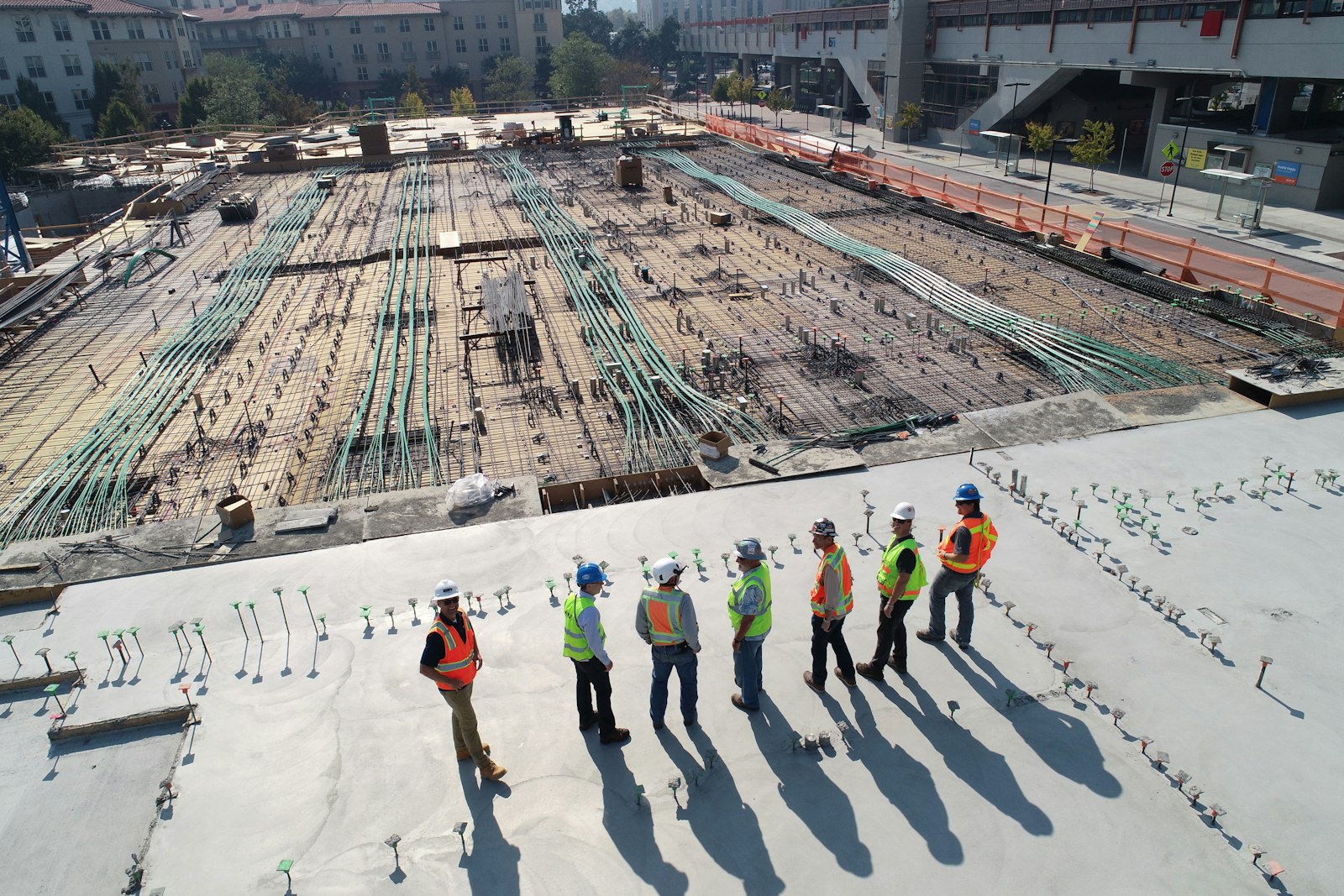
Crew working across a fresh slab pour on an open site
Dependencies

One inspection moves five things.

The rough-in inspection got pushed two days. Here is what the board did about it, and what it asked you to decide.

Cedar Street · schedule activity
TUE 9:12aHoldRough-in inspection rescheduled by the county from Wed 14th to Fri 16th.+2 days
TUE 9:12aPushedInsulation cannot start before the inspection clears. New start Mon 19th.+2 days
TUE 9:12aPushedDrywall hang follows insulation. New start Wed 21st, crew of four still holds.+2 days
TUE 9:13aConflictDrywall crew is committed to Birchwood from the 22nd. Two days overlap needs a call.1 conflict
TUE 9:13aBLT AISiding has no dependency on the inspection and its material landed Monday. Pulling it forward absorbs both days.0 days lost
TUE 9:41aMovedSiding pulled forward to Wed 14th. R. Ellis. Crew notified in the portal.−2 days
TUE 9:41aDrawDraw 4 milestone unchanged — still lands the week of the 26th.On date
The crew saw the new siding start on their phones before the phone call happened. The drywall sub saw the two-day overlap in the thread on his own scope, not in a group text at 9 p.m.
What actually moves a schedule

Weather, inspectors, and the sixteen-week lead time.

Schedules do not slip because someone was slow. They slip for three reasons, and the board treats all three as first-class facts rather than notes in a margin.

WeatherDays

Mark a weather day and the phases that cannot run in rain move; the ones that can, don’t. Interior trim keeps its dates while the pour and the roof deck shift together, and the count of weather days used sits against the contingency you allowed for them.

InA called day, per project
OutOnly weather-dependent phases move
InspectionsWaits

An inspection is a hold, not a task. Nothing downstream of it can start until it clears, and a failed inspection reopens the phase with the photo that failed it attached. The waiting time is visible as waiting rather than disguised as work.

InScheduled date, pass or fail
OutDownstream phases held or released
Long leadOrders

The switchgear is sixteen weeks and the windows are nine. Long-lead items are scheduled backwards from the day they are needed on site, with the order-by date on the board as its own item. Miss it and the board says so while there is still time to act.

InLead time and install date
OutOrder-by date, tied to committed spend
One structure

The plan and the money share a spine.

Most builders keep a schedule in one place and a budget in another, and the two agree for about a week. Here they are the same phases, so a date change is a cash change and everybody can see both.

The plan side

Dates, crews, and holds.

  • Phases with start, finish, crew assignment, and percent complete from real progress
  • Dependencies that actually block — not decoration on a chart
  • Crew conflicts across every active project surfaced the moment they are created
  • Today’s version visible in the crew portal, so nobody works off a printed PDF
The money side

The same phases, four numbers deep.

  • Every phase carries baseline, current, committed, and actual on the same rows
  • Labor hours from the clock land on the phase that was scheduled
  • Moving a phase moves the spend it carries into the week it will actually happen
  • Draw milestones tied to phase completion, so a slip shows up in the cash plan too
See the ledger See the crew portal

Find out what slipped before the crew does.

Let BLT draft the first schedule off your budget, then argue with it. One project free, no card.