Commercial · Multifamily

Cost per unit, not cost per building.

A 216-unit site is the same eleven scopes done over and over. Portfolio totals hide which building is bleeding — a per-unit number doesn’t. BLT tags every receipt, hour, and sub invoice to a building and a unit type, so Building C’s problem is named while there are still a hundred and thirty units to build.

Start for free All use cases
Free on one project · full AI · no card
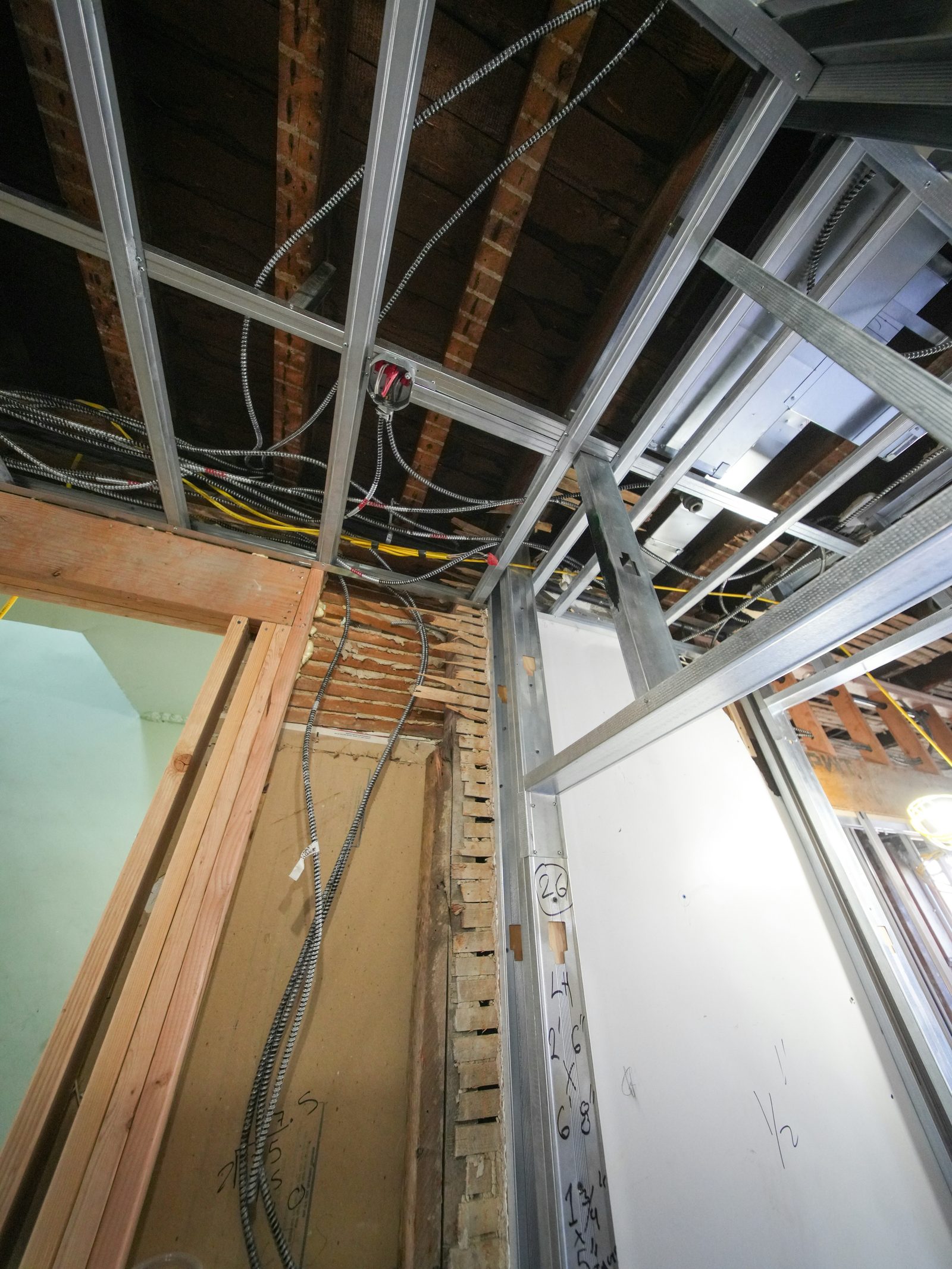
Framing and mechanical rough-in in a multifamily unit
Units closed84of 216 across four buildings, with real actuals against real scope
Cost per unit$128.4KBuilding A, all-in, rolled up from transactions and hours
B against A−6.2%Same unit types, second time through, nothing re-estimated
Scopes templated11Carried from Building A into B and C on day one

Illustrative site. Per-unit figures come from closed phases, never from an allocation.

Two halves of one site

Four addresses, forty trades, one set of numbers.

In the field

Every hour lands on a building and a unit type.

“Rough-in” on a 216-unit site means nothing. Rough-in on B-2 bedroom, thirty-one units complete, means you can price the next building.

  • One code clocks a 40-person crew in across four addresses; hours post per building and per unit type, GPS on the row
  • Punch walked unit by unit on a phone — B-214, item photographed, assigned to the sub, closed when the return photo lands
  • Turnover at scale: 54 units in nine days, each with a signed inspection and its own photo set
  • Vision AI reads unit photos on the way in — missing firestop at a penetration flagged to the sub who owns that scope
  • Material receipts split across buildings at the counter, so a $14,600 lumber load doesn’t land entirely on Building A
  • Repeat scopes reuse the same phase names, so the eleventh 2-bedroom is logged exactly like the first
In the office

A draw per building, off that building’s own actuals.

The lender funds by building and the investor asks by unit. Both answers come out of the same ledger without a reallocation spreadsheet.

  • Draw requests per building, each with its own percent complete computed from its own spend and hours — not the site average
  • Per-unit job costing: every receipt, time entry, and sub invoice carries a building and a unit type before it posts
  • Investor reporting that reconciles — cost per unit by type, by building, against the pro forma, exported monthly with the backup
  • Retainage and lien waivers tracked per subcontractor per building, so a waiver for A doesn’t release a payment on C
  • Shared site costs — tower crane, temp power, dumpsters — carried on their own lines and allocated once, visibly
  • Building A’s closed cost book becomes Building B’s Baseline, so the second one is estimated from receipts
A1 · 1 bed$101.2K/unit A2 · 2 bed$128.4K/unit A3 · 2 bed corner$139.7K/unit A4 · 3 bed$164.9K/unit Townhome$212.5K/unit
Per-unit variance 18 min ago
Building C plumbing rough is running 14% above Building A at the same phase. A closed at $4,180 per unit across 54 units. C is at $4,770 per unit across 31 complete — $18,290 more so far; across all 54 units in C the gap is $31,860. The difference is 214 hours of Ferguson service labor billed on T&M since Apr 6, none of it in the subcontract.
Open the T&M tickets
What a portfolio total hides

Site-wide, that overrun is 0.07%.

Rolled up across a $27.7M site, $18,290 disappears inside the rounding. Held against Building A’s closed per-unit cost, it is a 14% gap with a named cause and 23 units of runway to fix it. Repetition is the whole advantage of multifamily — it only pays if somebody is comparing.

BLT AIPer-unit costingSubcontractors
Building A to Building B

The second one costs less because you kept the first.

Most builders throw away the only asset a finished building produces: what each scope actually cost, per unit type, with the hours behind it.

Step 01

Template the unit type

A2 · 2 bedroom gets eleven scopes with their own phases, quantities, and crews. Every A2 in the building is built from the same template.

Step 02

Build it 54 times

Receipts, hours, and sub invoices land on the unit and the type as they happen. Nobody codes anything twice.

Step 03

Close the building

A2 closes at $128,400 per unit with the hours, the material, and the sub billing separated. That is a fact, not an average.

Step 04

Baseline Building B

B’s A2 units open with A’s closed numbers as Baseline. The estimate took an afternoon and it came from receipts.

Step 05

Compare while it’s live

Any scope drifting from A’s closed cost gets named at unit twelve, with the dollar and the cause, not at building close.

Building B came in 6.2% under A. Same unit types, same subs, same market — the difference is that the second estimate was written from what the first one actually cost.
Turnover and punch run on the same structure. 54 units in nine days, each item photographed, assigned to a sub, and closed by a return photo — and the punch hours land on the unit type they came from, so the next building carries a punch number that isn’t a guess.
How BLT remembers a closed phase

Close one building properly.

Free on one project, every feature, full AI. The first building you close is the one that prices the next three.