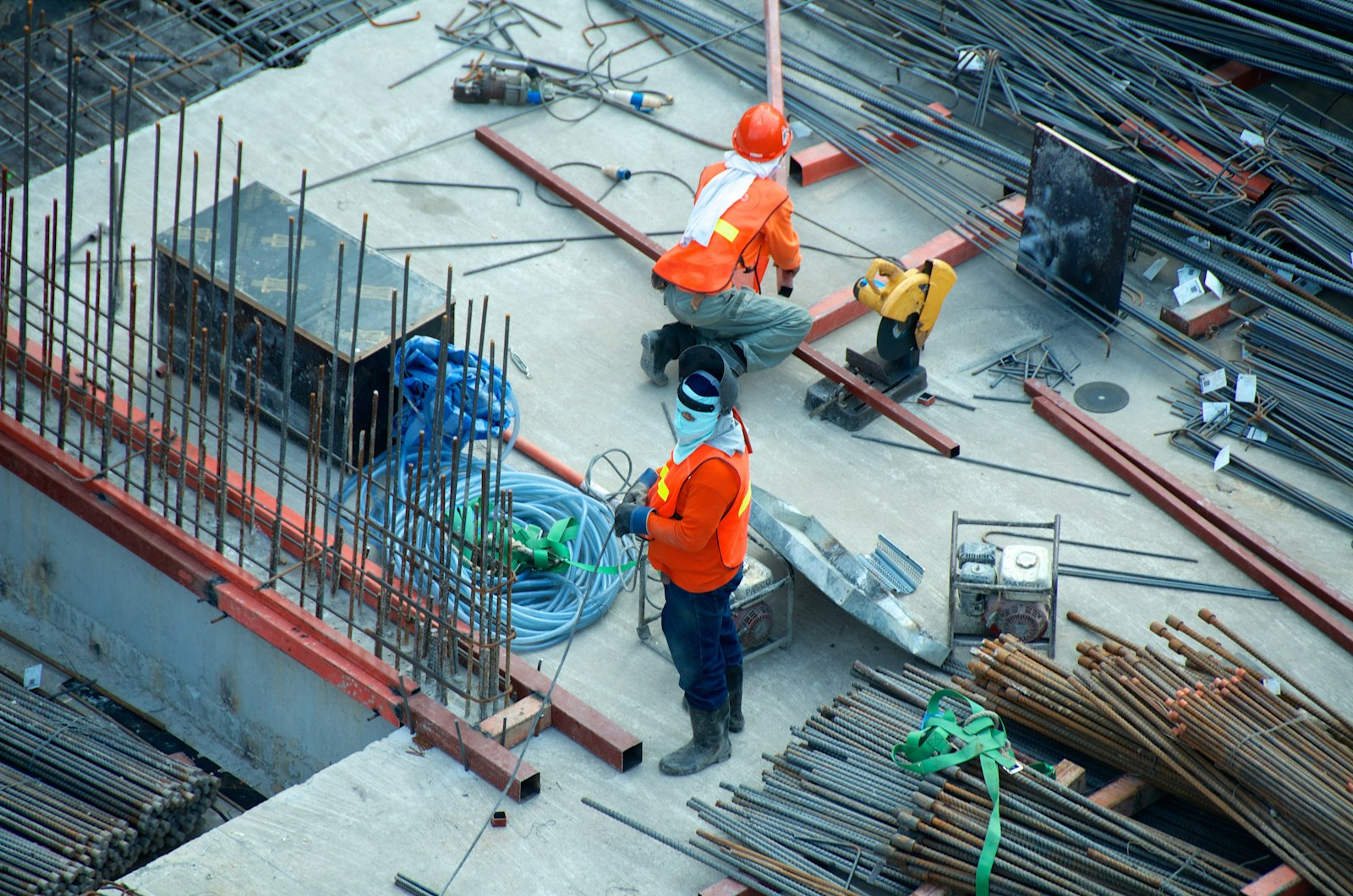
The takeoff said 136. You poured 142 because the footings ran deep on the east side. Six loads came in short, the pump sat 95 minutes waiting on the finishers, and every dollar of it is on a delivery ticket in somebody’s truck. BLT gets those tickets onto the line the day they’re signed.
Excavation on Monday, forms and steel by Thursday, footings and stem the following week, slab the week after that. Every number below moved inside those nine days, and only one of them was on the plans.
Foundation · slab on gradeSutter Field Lot 22$55,000 / 59,900
Line
Baseline
Current
Committed
Actual
Excavation & backfill
8,400
11,600
—
11,180
Forms & form labor
9,200
9,200
—
8,870
Rebar, mesh & chairs
6,100
6,100
1,350
5,240
Concrete, 142 yd
21,300
21,300
—
22,610 ↑
Pump & standby
3,800
4,300
—
4,120
Flatwork & finish
7,400
7,400
—
2,980
Lot total
56,200
59,900
1,350
55,000
Excavation moved from $8,400 to $11,600 because the dirt was not what the soils report said it was — three feet of uncontrolled fill across the garage corner, 180 yards over-excavated and 90 tons of structural fill imported. That one got written up the same afternoon, signed, and it is the only line here that was handled correctly.
In the field
Tickets, at the gate, wet.
Fifteen trucks come through in four hours. Nobody is going to organize paper on pour day, so it has to be a photograph taken with one hand while the chute swings.
Photograph each delivery ticket at the gate — yards, mix design, time on site, and the short-load fee come straight off it
Log pump standby the minute it starts, not from a memory of “a while” three days later
Shoot the steel before the pour: bar size, spacing, laps, chairs, and the vapor barrier
Cylinder set recorded with the truck it came from and the time it was cast
The far end of a hundred-acre site has no signal. Capture works and uploads on the way out
In the office
Ninety-two percent spent, flatwork open.
$55,000 of a $59,900 budget is gone and the driveway, walks, and porch are still to pour. That is $4,420 of work against $4,900 of budget, and it is knowable on Wednesday instead of at closeout.
Yardage delivered against yardage taken off, per pour, with the tickets attached
Short loads, standby, washout, and Saturday rates broken out instead of buried in one ready-mix invoice
Excavation change orders priced from what the dirt actually was, signed before backfill
Break results and inspection records filed against the pour they belong to
Progress billing per phase — footings complete, slab complete, flatwork at 40%
Yardage
The overage is on paper. It just isn’t on the bill.
Nobody argues about six yards. That is the problem — it is small enough to absorb every single time, on every lot, all year.
Unbilled overage22 min ago
Lot 22 poured $1,310 over on concrete and none of it is on pay application 2.Takeoff was 136 yards. Fifteen tickets total 142 — six yards at $148 is $888. Six of those loads came in under 10 yards and carried a $65 short-load fee: $390. Washout on the third pour, $32. Every ticket is photographed and dated. Pay application 2 goes out Thursday at the contract number.
Every ticket is photographed at the gate and read on the way in. Yards, mix, time on site, and any fee land on the concrete line with the image kept beside them, so the invoice from the plant gets checked against what actually rolled through.
Truck 1–440 yd · 4000 psiTruck 58.5 yd · short loadStandby95 min · 2 trucksCylindersSet of 4 · 9:52 a.m.
Anomaly detection compares this pour against your last six on the same plan.
Pour day
Five things happen and none of them wait.
Step 01
Order
Yards, mix, slump, and the first truck time. Placed against the takeoff so the delivered total has something to be compared to.
Step 02
Gate
Every ticket photographed as the truck comes in. Yards, batch time, and fees read off the paper and posted to the concrete line.
Step 03
Place
Pump start and stop, standby minutes, and the crew on the clock — all of it against this pour and not against the week.
Step 04
Finish
Bull float, edge, cut, and cure. Finisher hours land on flatwork instead of disappearing into the slab line.
Step 05
Test
Cylinders cast and logged, slump recorded, and the 7- and 28-day breaks filed against the pour they came from.
Rain Thursday moved the pour to Monday. The planner moved the pump, the finishers, and the inspection with it, and the builder saw the new date the same afternoon.
Scope
Four phases, one weather window.
Each phase has its own hours, its own material, and its own inspection. The weather sits across all four and the schedule knows it.
Excavation & footings
Cut, fill, and dig. The phase where the soils report meets the actual dirt and one of them is wrong.
Forms & steel
Panels, snap ties, rebar, mesh, and chairs. Closed by a pre-pour inspection and thirty photographs.
Slab pour
Four hours that carry a third of the budget. Tickets, pump time, and standby, all captured while it happens.
Flatwork & strip
Drives, walks, porches, and stripping the forms. The last money out and the easiest to run out of.